
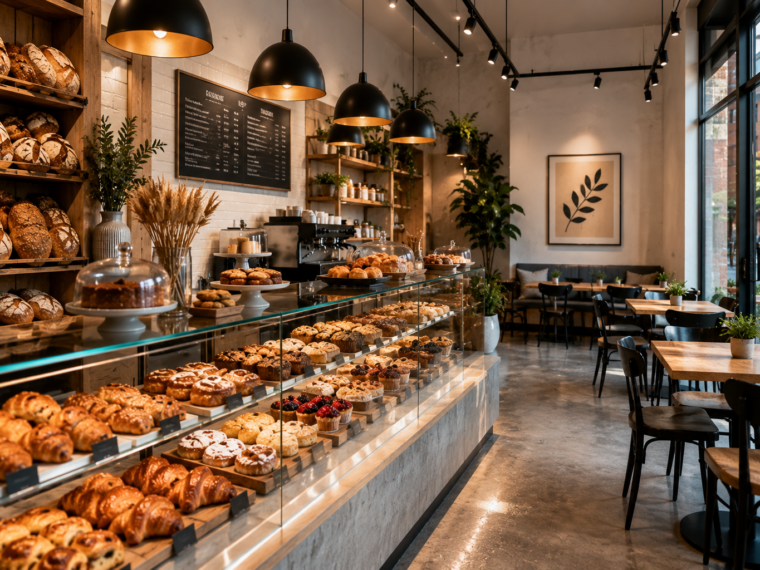
Walk into a bakery and you immediately begin forming impressions before tasting a single pastry. The colors, lighting, layout, aromas, and overall atmosphere all influence how customers feel and behave. Great bakery design goes beyond aesthetics—it helps create memorable experiences, encourages purchases, and strengthens customer loyalty. In today’s competitive food industry, interior design has become an essential ingredient in a bakery’s success.
The most effective bakery interiors create an emotional connection. Warm lighting, natural materials, and inviting displays help customers feel comfortable and relaxed. People tend to spend more time in spaces that feel welcoming, and the longer they stay, the more likely they are to explore products and make additional purchases. A cozy atmosphere can transform a simple visit into a pleasant daily ritual that customers look forward to repeating.
Product presentation plays an equally important role. Beautiful displays guide attention toward breads, pastries, cakes, and seasonal specialties. Eye-level placement, attractive shelving, and carefully arranged showcases encourage impulse purchases by making products appear even more desirable. Freshly baked goods already appeal to the senses, but thoughtful presentation enhances their visual impact and increases perceived value.
Layout and customer flow also influence behavior. A well-designed bakery allows visitors to move naturally through the space while discovering products along the way. Clear pathways reduce confusion and create a more enjoyable shopping experience. Many successful bakeries position popular items strategically so customers encounter a variety of products before reaching the counter. This subtle design choice often increases sales while maintaining a comfortable and natural flow.
Modern bakery design increasingly incorporates elements that support social interaction and community. Comfortable seating areas encourage customers to stay longer, enjoy coffee with pastries, and meet with friends or colleagues. These spaces help transform bakeries from simple retail environments into social destinations. As remote work and flexible schedules become more common, many consumers actively seek welcoming cafés and bakeries where they can spend time comfortably.
Design also plays a major role in brand identity. Every visual element—from furniture and materials to packaging and décor—communicates a bakery’s personality. A minimalist bakery may emphasize craftsmanship and premium ingredients, while a rustic interior might highlight tradition and authenticity. Consistent design helps customers understand what makes a bakery unique and creates a memorable experience that extends beyond the products themselves.
Social media has further increased the importance of interior design. Customers frequently share photos of attractive spaces, beautifully displayed pastries, and thoughtfully designed interiors. A visually appealing bakery can generate valuable online exposure without any formal advertising. Design elements that encourage photography naturally help extend a bakery’s reach and visibility.
Sensory details complete the experience. The aroma of freshly baked bread, the sound of coffee being prepared, and the visual warmth of baked goods displayed under soft lighting all contribute to customer satisfaction. These elements work together to create an environment that feels authentic and enjoyable.
Ultimately, bakery interior design is about much more than decoration. It shapes how customers move, what they notice, how long they stay, and how they remember their experience. When design, atmosphere, and product quality align, bakeries create spaces that people want to visit again and again. In a world where experiences matter as much as products, thoughtful interior design has become one of the most powerful tools available to modern bakeries.