
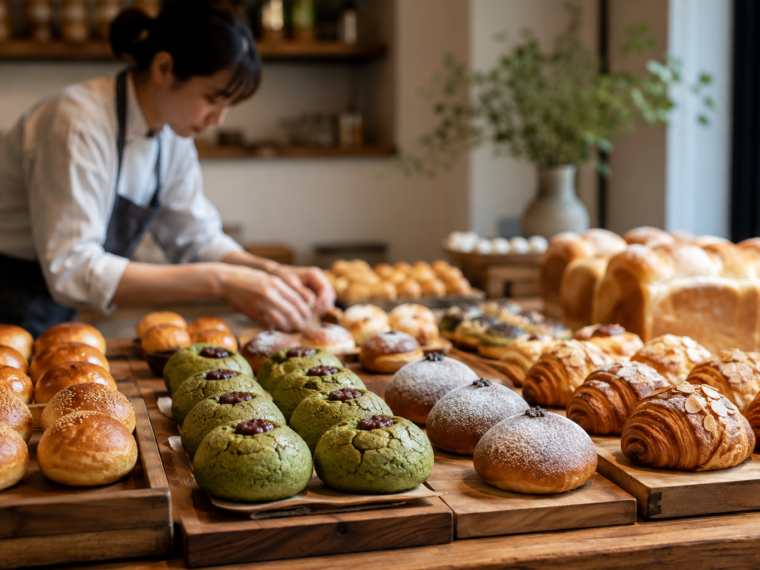
Japanese bakeries have captured the hearts of food lovers around the world. Step inside one, and you’ll find a fascinating blend of European baking traditions and Japanese craftsmanship. The result is a bakery culture that feels both familiar and wonderfully unique.
The story of Japanese bakeries begins with the introduction of Western bread-making techniques during the late nineteenth century. Over time, Japanese bakers embraced these influences while adapting recipes to local tastes and preferences. Rather than simply copying French or European pastries, they transformed them into something entirely their own. This creative approach helped shape a bakery culture known for precision, balance, and attention to detail.
One of the most recognizable examples is shokupan, often called Japanese milk bread. Its incredibly soft texture and slightly sweet flavor have made it popular far beyond Japan. Alongside shokupan, visitors will often find buttery croissants, delicate fruit pastries, and beautifully crafted sweet buns. Many of these baked goods reflect European inspiration while incorporating Japanese ingredients such as matcha, red bean paste, black sesame, or yuzu. The combination creates flavors that feel both comforting and exciting.
What truly sets Japanese bakeries apart is their commitment to quality and presentation. Every loaf, bun, and pastry is carefully shaped and displayed with remarkable attention to detail. Even simple items often look like works of art. This focus on aesthetics reflects a broader appreciation for craftsmanship found throughout Japanese food culture. For customers, the experience becomes about more than taste alone. It is also about beauty, texture, and the pleasure of discovering something thoughtfully made.
Japanese bakeries have also become centers of innovation. Bakers frequently experiment with seasonal ingredients and creative flavor combinations. Traditional European pastries might be filled with matcha cream, while classic Japanese flavors are incorporated into laminated doughs and artisan breads. This willingness to blend traditions keeps the bakery scene dynamic and fresh. Home bakers in the United States have increasingly embraced these ideas, exploring techniques and ingredients inspired by Japanese baking.
The growing popularity of Japanese bakeries in American cities highlights the universal appeal of this East-meets-West approach. Customers appreciate the balance of flavor, the lighter textures, and the meticulous craftsmanship that define many Japanese baked goods. Whether enjoying a fluffy milk bread sandwich, a matcha pastry, or a perfectly layered croissant, people are experiencing a culinary tradition built on cultural exchange and creativity.
Japanese bakeries remind us that some of the most exciting food innovations happen when different traditions come together. By blending European baking techniques with Japanese ingredients, aesthetics, and precision, these bakeries have created a style that feels timeless yet modern. For bakery enthusiasts, they offer a delicious example of how food can connect cultures while inspiring new generations of bakers.