
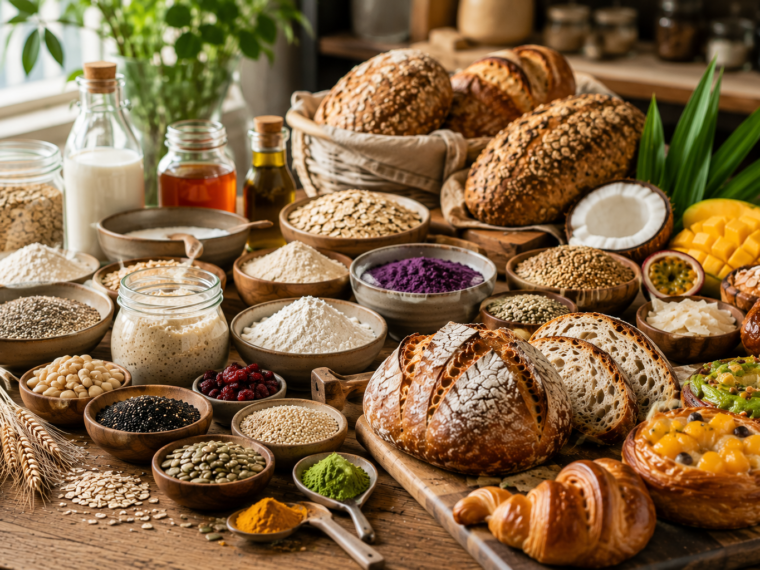
The world of baking is rooted in tradition, but innovation has always been part of its story. While flour, water, yeast, and sugar remain essential building blocks, modern ingredient development is opening exciting possibilities for bakers and food enthusiasts alike. Today’s bakery ingredients are not only focused on flavor and texture but also on sustainability, nutrition, functionality, and creativity. As consumer expectations evolve, ingredient innovation is helping shape the future of baking.
One of the most significant developments in recent years has been the rise of alternative grains and specialty flours. Beyond traditional wheat, bakers are increasingly experimenting with ingredients such as spelt, rye, millet, sorghum, teff, and ancient grain blends. These flours introduce new flavors, textures, and nutritional benefits while allowing bakers to create distinctive products. They also provide opportunities to diversify recipes and offer consumers a broader range of baking experiences.
Plant-based innovation continues to transform bakery ingredient selection. Oat-based products, nut-derived ingredients, seed proteins, and dairy alternatives have become common in both commercial and home baking. These ingredients help create products that appeal to a wider audience while supporting modern dietary preferences. What makes this trend particularly exciting is that many plant-based ingredients now deliver excellent texture and flavor, allowing bakers to innovate without sacrificing quality.
Natural sweetness has become another area of rapid development. Rather than relying solely on refined sugar, bakers are exploring ingredients such as dates, maple syrup, honey, coconut sugar, fruit concentrates, and naturally sweet vegetable extracts. These alternatives often contribute additional flavor complexity while helping create products that align with consumer interest in more natural ingredient lists. The focus is increasingly on balance, flavor, and ingredient transparency.
Fermentation technology has also experienced a renaissance. Sourdough cultures, specialty yeasts, and fermentation-enhancing ingredients are helping bakers develop more complex flavor profiles while improving texture and shelf life. Natural fermentation continues to attract attention because it combines traditional techniques with modern consumer demand for authenticity and craftsmanship. Many innovative bakery products today rely on fermentation to achieve distinctive characteristics that cannot be replicated through shortcuts.
Sustainability is influencing ingredient innovation as well. Consumers increasingly care about where ingredients come from and how they are produced. As a result, suppliers are developing responsibly sourced grains, regenerative agriculture products, and ingredients with lower environmental impact. Bakers are embracing these options because sustainability has become an important part of both product development and brand identity.
Technology is helping unlock entirely new possibilities. Ingredient specialists are creating advanced flour blends, natural emulsifiers, moisture-retention solutions, and texture-enhancing ingredients that improve consistency while maintaining clean labels. These innovations allow bakers to achieve professional results while meeting growing consumer expectations for quality and simplicity.
Global flavors are further expanding the ingredient landscape. Matcha, pandan, yuzu, black sesame, ube, cardamom, tahini, tropical fruits, and regional spices are increasingly appearing in bakery products. These ingredients allow bakers to introduce customers to new culinary experiences while drawing inspiration from diverse food traditions around the world.
For home bakers, ingredient innovation has never been more accessible. Many specialty ingredients that were once limited to professional kitchens can now be found in grocery stores or online. This accessibility encourages experimentation and creativity, helping baking enthusiasts explore new techniques and flavors.
Ultimately, innovations in bakery ingredients are enhancing what bakers can create while preserving the craftsmanship that makes baking special. By combining tradition with innovation, today’s ingredients are helping shape a future where bread, pastries, and desserts become even more flavorful, sustainable, and inspiring.