
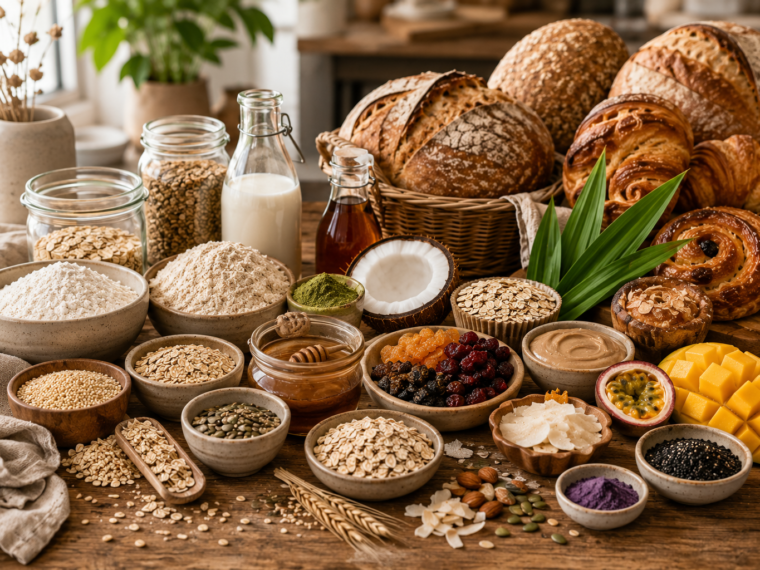
The baking industry is constantly evolving, and 2026 is shaping up to be an exciting year for ingredients. Consumer preferences continue to shift toward products that combine great taste, nutrition, sustainability, and authenticity. From alternative grains and plant-based innovations to globally inspired flavors, bakers are finding new ways to create products that meet changing expectations while maintaining the comfort and tradition that make baked goods so beloved.
One of the strongest ingredient trends for 2026 is the growing use of ancient grains and diverse flour varieties. Consumers are becoming increasingly interested in ingredients such as spelt, einkorn, rye, sorghum, and millet. These grains offer unique flavors, textures, and nutritional profiles while helping bakers differentiate their products. Rather than replacing traditional wheat flour entirely, many recipes are incorporating blends that add complexity and character to breads, pastries, and desserts.
Plant-based ingredients continue to gain momentum across the baking industry. Oat-based products, almond ingredients, coconut derivatives, and various plant proteins are becoming more common in both commercial and home baking. These ingredients allow bakers to create products that appeal to a wider audience while supporting trends toward flexibility and dietary diversity. Plant-based baking is no longer a niche category—it has become an important part of mainstream product development.
Sustainability is also influencing ingredient selection. Consumers increasingly want to know where ingredients come from and how they are produced. Locally sourced grains, responsibly produced cocoa, regenerative agriculture products, and seasonal ingredients are attracting attention. Bakers are recognizing that ingredient stories matter almost as much as flavor. Transparency and traceability have become valuable components of modern bakery branding.
Natural sweetness is another major trend. Rather than relying exclusively on refined sugar, bakers are experimenting with alternatives such as dates, maple syrup, honey, coconut sugar, and fruit-based sweeteners. These ingredients can contribute additional flavor while helping create products that align with consumer interest in more natural formulations. The goal is often balance rather than elimination, allowing baked goods to remain indulgent while offering more nuanced flavor profiles.
Global flavors continue to inspire ingredient innovation. Matcha, black sesame, yuzu, pandan, cardamom, tahini, ube, and various tropical fruits are appearing in an increasing number of bakery products. Consumers enjoy discovering new flavor experiences, and bakers are responding by incorporating ingredients that reflect international culinary traditions. These flavors bring creativity and excitement while helping products stand out in competitive markets.
Fermentation is also playing a larger role in baking. Naturally fermented sourdough, cultured dairy products, and fermentation-based flavor development continue to attract attention from both professionals and enthusiasts. Consumers increasingly appreciate products that showcase traditional techniques and complex flavor profiles developed through time and craftsmanship.
Technology and ingredient innovation are working together as well. New functional ingredients designed to improve texture, shelf life, moisture retention, and nutritional value are becoming more accessible. Bakers can now create products that deliver both excellent eating experiences and practical benefits without compromising quality.
For home bakers, these trends provide countless opportunities for experimentation. Trying a new flour, incorporating a tropical flavor, or exploring natural sweeteners can introduce fresh inspiration into familiar recipes. Many of these ingredients are becoming easier to find as demand continues to grow.
Ultimately, ingredient trends in 2026 reflect a broader shift toward thoughtful baking. Consumers are seeking products that offer flavor, quality, authenticity, and sustainability. By embracing innovation while respecting tradition, bakers are creating a future where ingredients tell a story and every loaf, pastry, or dessert becomes an opportunity to explore something new.