
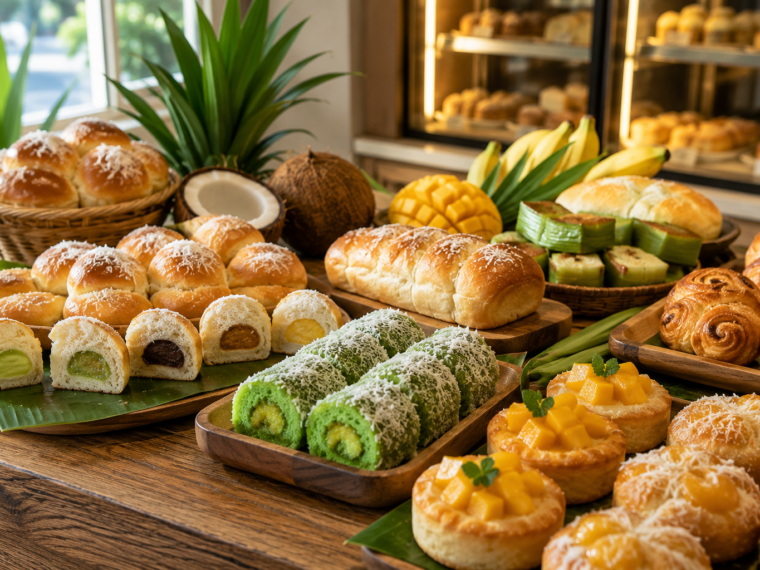
Indonesia may be best known for its rich spices, vibrant street food, and diverse culinary traditions, but its bakery culture is equally fascinating. Across the country, bakeries have developed a unique identity that blends European baking techniques with tropical ingredients and local flavors. The result is a delicious world of soft breads, sweet pastries, and creative baked goods that reflect Indonesia’s multicultural heritage and warm climate.
One of the most distinctive characteristics of Indonesian bakeries is the popularity of incredibly soft bread. Unlike the rustic artisan loaves commonly found in Europe, many Indonesian breads are light, fluffy, and slightly sweet. These breads are designed to be enjoyed as convenient daily snacks or breakfast items. Filled buns are especially popular, featuring ingredients such as chocolate, cheese, coconut, pandan, coffee, and fruit jams. Their pillowy texture and approachable flavors make them a favorite among people of all ages.
Tropical ingredients play a major role in shaping Indonesian bakery products. Coconut, banana, mango, pineapple, jackfruit, palm sugar, and pandan are frequently incorporated into breads, cakes, and pastries. Pandan, often referred to as the “vanilla of Southeast Asia,” is particularly beloved for its vibrant green color and fragrant aroma. It adds a unique character to many baked goods and helps create flavors that are instantly recognizable throughout Indonesia.
The country’s bakery culture also reflects a fascinating mix of influences. Dutch colonial history introduced European baking traditions that continue to shape many recipes today. Over time, these techniques blended with Chinese, Middle Eastern, and local Indonesian culinary traditions, creating a bakery scene unlike any other. This fusion can be seen in everything from layered cakes and buttery pastries to sweet buns and festive desserts served during celebrations and holidays.
Modern Indonesian bakeries have embraced innovation while preserving traditional flavors. Contemporary bakers frequently experiment with new ingredients, presentation styles, and international trends. Yet many of the most popular products remain deeply rooted in local culture. This balance between tradition and creativity allows bakeries to appeal to both younger generations and customers seeking nostalgic flavors from childhood.
Coffee culture has further contributed to the growth of bakeries throughout Indonesia. Fresh pastries and soft breads are often enjoyed alongside locally grown coffee, creating a relaxed and social dining experience. Many bakery cafés serve as gathering places where friends, families, and coworkers meet to enjoy food and conversation. The combination of freshly baked products and quality coffee has become an important part of modern urban life.
The visual appeal of Indonesian baked goods also deserves attention. Colorful ingredients, tropical fruits, and creative decorations often make pastries and cakes as attractive as they are delicious. Many bakeries place strong emphasis on presentation, reflecting the country’s appreciation for hospitality and celebration.
For home bakers and food enthusiasts in the United States, Indonesian bakery culture offers a wonderful source of inspiration. Its focus on softness, sweetness, tropical flavors, and cultural fusion demonstrates how baking can evolve while remaining connected to local traditions. Exploring Indonesian baking opens the door to new ingredients, techniques, and flavor combinations that may feel both exotic and comforting at the same time.
Ultimately, Indonesian bakeries represent more than just places to buy bread and pastries. They reflect the country’s diversity, creativity, and love of sharing food. Through tropical flavors, soft textures, and innovative recipes, Indonesia has created a bakery culture that continues to delight locals and visitors alike.