
Lebanese bakeries offer a unique blend of tradition, craftsmanship, and hospitality. Step inside one, and you are immediately greeted by the aroma of freshly baked bread, toasted sesame seeds, and fragrant spices. Across Lebanon and in Lebanese communities around the world, bakeries serve as gathering places where recipes passed down through generations continue to thrive. For bakery lovers in the United States, Lebanese baking provides an exciting opportunity to explore flavors that are both comforting and distinctive.
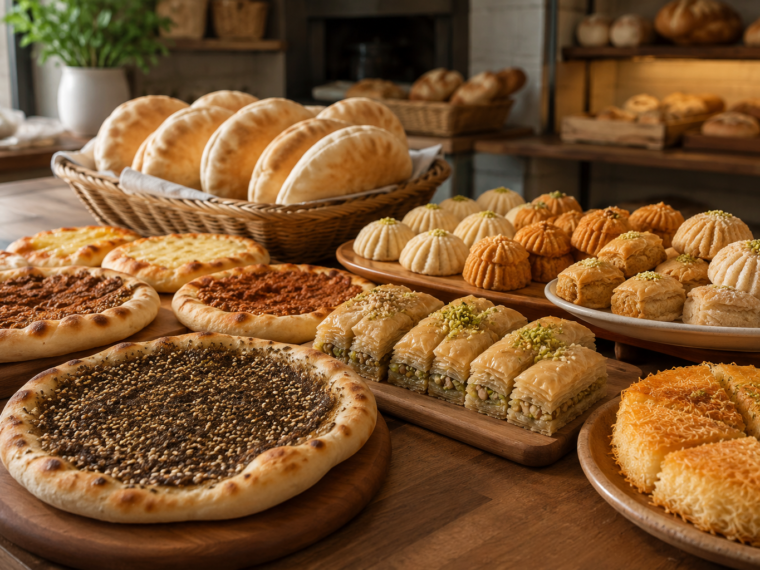
At the heart of Lebanese baking is flatbread. One of the most beloved varieties is manakish, a soft and flavorful flatbread often topped with za’atar, cheese, or ground meat. Baked in traditional ovens, manakish is commonly enjoyed for breakfast but can be eaten throughout the day. Another staple is pita bread, known for its signature pocket and versatility. Freshly baked pita is a cornerstone of Lebanese cuisine, used for wraps, dips, and countless everyday meals. The beauty of these breads lies in their simplicity, relying on quality ingredients and careful technique rather than complicated recipes.
Beyond flatbreads, Lebanese bakeries showcase an impressive range of sweet pastries. Baklava is perhaps the most recognized internationally, featuring layers of delicate pastry filled with nuts and sweetened with syrup. However, Lebanese pastry traditions extend far beyond this classic favorite. Maamoul cookies, often filled with dates, pistachios, or walnuts, are especially popular during holidays and celebrations. Their decorative patterns and rich fillings make them as beautiful as they are delicious. Many bakeries also offer knefeh, a dessert made with fine pastry strands, cheese, and sweet syrup, creating a memorable combination of textures and flavors.
What makes Lebanese bakeries particularly appealing is their balance between savory and sweet offerings. Customers can start the day with a warm flatbread and later return for a pastry and coffee. This variety reflects the broader culture of Lebanese hospitality, where food plays a central role in bringing people together. The emphasis on freshness is another defining characteristic. Many items are baked throughout the day, ensuring customers enjoy products at their peak quality.
For home bakers, Lebanese baking offers plenty of inspiration. Flatbreads can be surprisingly approachable to make, while pastries introduce techniques that expand baking skills and creativity. Ingredients such as sesame seeds, pistachios, orange blossom water, and za’atar add distinctive flavors that can transform familiar recipes into something new and exciting. Exploring Lebanese baking traditions is not only about learning recipes but also about discovering a rich culinary heritage.
As global food culture continues to influence American bakeries, Lebanese flavors are becoming increasingly popular. Their combination of simplicity, freshness, and tradition resonates with modern consumers seeking authentic food experiences. Whether you visit a local Lebanese bakery or try baking these specialties at home, you will discover a world of flavors that celebrates both history and craftsmanship. Lebanese bakeries remind us that some of the most memorable foods are often the ones rooted in generations of care and tradition.