
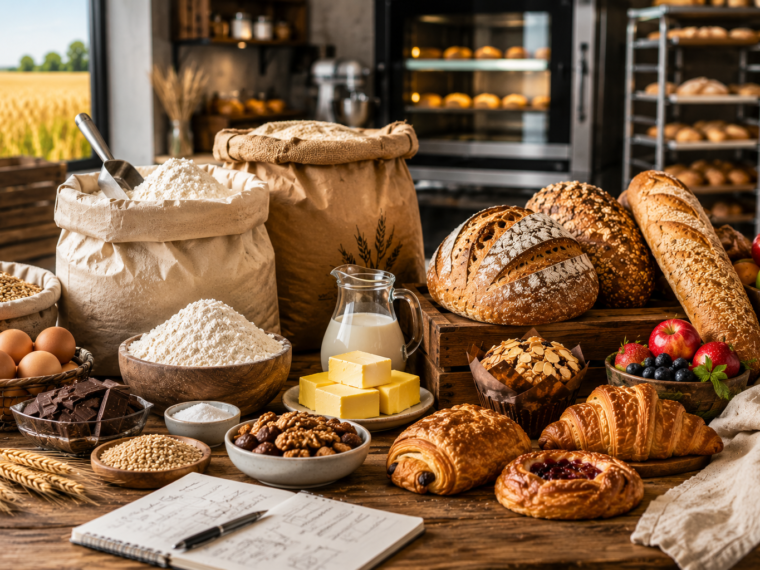
When customers bite into a perfectly flaky croissant or a freshly baked artisan loaf, they often think about the baker behind the product. Yet there is another important part of the story that usually remains behind the scenes: the suppliers. The ingredients used in bakeries have a direct impact on flavor, texture, consistency, and overall quality. Choosing the right suppliers is one of the most important decisions any bakery can make.
For modern bakeries, selecting suppliers goes far beyond finding the lowest price. It involves building partnerships with companies that can consistently provide high-quality ingredients while supporting the bakery’s values and long-term goals. The process requires careful evaluation, testing, and trust.
Quality is usually the first consideration. Flour, butter, chocolate, dairy products, fruits, nuts, and other ingredients form the foundation of every recipe. Even small variations can affect the final product. Bakers often test ingredients extensively before committing to a supplier. They evaluate factors such as flavor, texture, performance, freshness, and consistency. A flour that produces excellent bread one week but performs differently the next can create challenges for maintaining product quality. Reliable suppliers help ensure customers receive the same great experience every time they visit.
Consistency is closely tied to quality. Bakeries depend on predictable ingredients because recipes are carefully developed and refined. A change in butter composition or flour characteristics can alter fermentation, baking times, and final texture. For this reason, many bakeries prioritize suppliers with strong quality control systems and dependable production standards. Long-term consistency helps bakers focus on creativity rather than troubleshooting ingredient issues.
Availability is another major factor. Even the best ingredient is not useful if it cannot be delivered reliably. Bakeries need suppliers that can meet demand throughout the year, particularly during busy seasons and holidays. Supply chain disruptions can affect production schedules and customer satisfaction. As a result, many bakeries develop relationships with multiple suppliers to reduce risk and ensure continuity.
Modern bakeries are also paying closer attention to sourcing practices. Consumers increasingly want to know where ingredients come from and how they are produced. This has encouraged bakeries to seek suppliers who prioritize transparency, sustainability, and responsible farming methods. Locally sourced ingredients are often valued for their freshness and community impact, while specialty suppliers may provide unique products that help bakeries stand out in a competitive market.
Communication plays a surprisingly important role as well. Strong supplier relationships are built on trust, responsiveness, and collaboration. Bakers frequently work closely with suppliers when testing new products, adjusting recipes, or exploring emerging trends. A supplier who understands the bakery’s needs can become a valuable partner rather than simply a vendor.
Innovation has become another consideration. As customer preferences evolve, bakeries often seek suppliers who offer new ingredients and product solutions. Alternative flours, plant-based ingredients, premium chocolates, and specialty grains are just a few examples of products that help bakeries stay ahead of trends while maintaining high standards.
Ultimately, selecting suppliers is about creating the best possible foundation for great baking. Behind every exceptional loaf of bread, pastry, or cake is a network of farmers, producers, distributors, and suppliers working together to deliver quality ingredients. By carefully choosing these partners, bakeries can ensure they continue providing products that delight customers and support long-term success.