
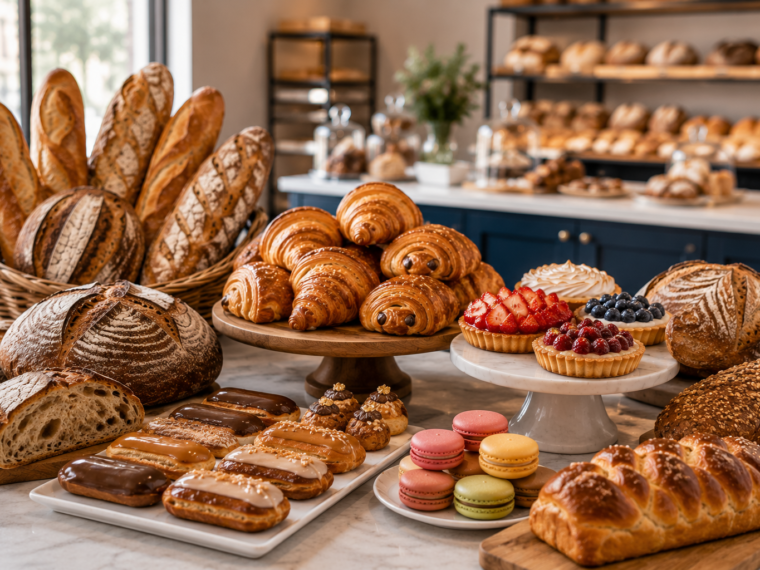
French baking has long been admired for its elegance, precision, and commitment to quality. In recent years, its influence on American bakeries has grown significantly, shaping everything from product offerings to baking techniques and customer expectations. Across the United States, bakery owners, pastry chefs, and home bakers continue to embrace French traditions while adapting them to modern tastes and local ingredients.
One of the most visible French influences is the growing popularity of artisan bread. Traditional French methods emphasize slow fermentation, high-quality flour, and careful craftsmanship. American consumers have increasingly embraced these principles, leading to a surge in demand for sourdough loaves, rustic country breads, and naturally leavened products. Rather than prioritizing speed and volume, many bakeries now focus on flavor development, texture, and authenticity. This shift reflects a broader appreciation for handmade food and traditional baking techniques.
French pastry culture has also transformed bakery menus across the country. Croissants, pain au chocolat, brioche, éclairs, mille-feuille, and fruit tarts are no longer considered specialty products reserved for select markets. They have become staples in many modern bakeries. Customers appreciate the delicate textures, rich flavors, and refined presentation associated with French pastries. At the same time, American bakers often introduce creative twists, incorporating seasonal fruits, local ingredients, and contemporary flavor combinations while preserving the foundations of French technique.
Another trend influencing American bakeries is the emphasis on visual presentation. French pâtisserie treats baking as both a culinary craft and an art form. This attention to aesthetics aligns perfectly with today’s social media culture, where visually stunning pastries often attract significant attention online. Beautiful glazing, elegant decoration, precise layering, and clean presentation have become increasingly important as bakeries seek to create memorable customer experiences both in person and on digital platforms.
The influence extends beyond products to bakery design and customer experience. Many modern bakeries draw inspiration from the welcoming atmosphere of traditional French boulangeries and pâtisseries. Customers increasingly seek spaces that encourage them to slow down, enjoy a coffee, and appreciate freshly baked goods. Open kitchens, artisan displays, and thoughtfully designed interiors help create an experience that feels personal and authentic.
French baking has also encouraged a renewed focus on ingredient quality. Butter, flour, chocolate, fruit, and dairy products are often selected with greater care than ever before. Consumers have become more interested in understanding where ingredients come from and how they contribute to the final product. This emphasis on quality supports the broader movement toward artisanal food production and transparency.
Perhaps the most important French influence is the respect for craftsmanship itself. French baking traditions emphasize patience, consistency, and continuous learning. These values resonate strongly with both professional bakers and home enthusiasts who view baking as more than simply following recipes. The process becomes a skill to develop and a craft to master.
As American bakery culture continues to evolve, French trends remain a powerful source of inspiration. From artisan breads and elegant pastries to thoughtful design and premium ingredients, French baking continues to shape the way Americans experience baked goods. The result is a bakery landscape that combines tradition and innovation, offering customers products that are both beautiful and delicious.