
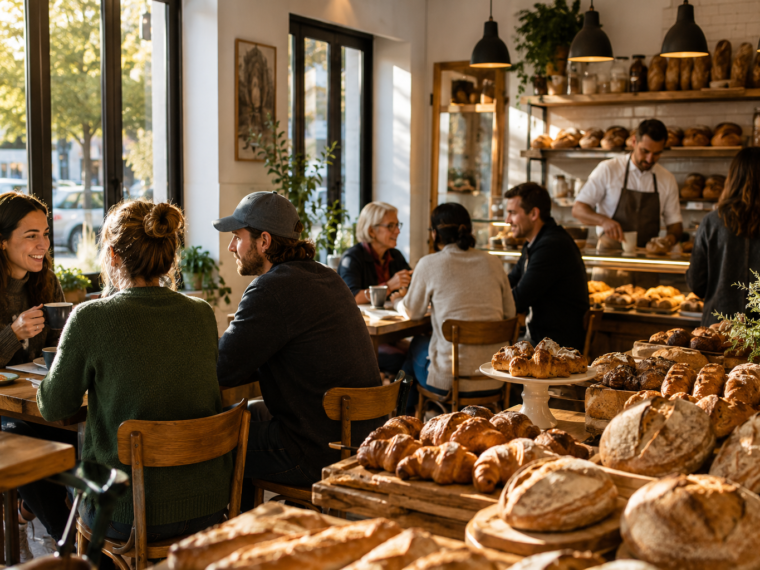
Walk into a neighborhood bakery on a Saturday morning, and you will often find much more than fresh bread and pastries. Families gather around tables, friends catch up over coffee, and regular customers greet staff by name. Across the United States, bakeries have evolved into vibrant community spaces where people connect, share stories, and build relationships.
The role of bakeries in American life has changed significantly over the years. Traditionally, bakeries were places where customers stopped by briefly to purchase bread, cakes, or baked goods before heading home. Today, many bakeries are designed to encourage people to stay longer. Comfortable seating, welcoming interiors, and thoughtfully crafted menus have transformed these businesses into gathering places that feel both familiar and inviting.
One reason bakeries have become community hubs is their ability to bring together people from different backgrounds. Unlike many other venues, bakeries appeal to all generations. Parents enjoy a morning coffee while children choose a favorite pastry. Remote workers settle in with laptops, and retirees meet friends for conversation. The simple pleasure of sharing freshly baked goods creates a relaxed atmosphere where connections form naturally. In many neighborhoods, the local bakery has become a trusted meeting point and an important part of daily life.
The rise of artisan baking has also strengthened the connection between bakeries and their communities. Customers are increasingly interested in where ingredients come from, how products are made, and who is behind the baking process. Bakers often interact directly with customers, sharing stories about recipes, techniques, and local sourcing. This transparency builds trust and creates a sense of belonging that extends beyond a simple transaction. People are not just buying bread; they are supporting local craftsmanship and becoming part of a shared experience.
Social events have further expanded the role of bakeries. Many establishments now host baking workshops, seasonal celebrations, tasting events, and community fundraisers. These activities encourage engagement and help strengthen local relationships. For home bakers and food enthusiasts, such events provide opportunities to learn new skills while meeting others who share similar interests. As a result, bakeries often serve as cultural and social anchors within their neighborhoods.
Technology has played a surprising role as well. Social media allows bakeries to stay connected with customers beyond their physical locations. Daily specials, behind-the-scenes baking videos, and customer stories help create a sense of community online. These digital connections often translate into stronger in-person relationships, reinforcing the bakery’s position as a gathering place.
As communities continue to seek meaningful connections in an increasingly fast-paced world, bakeries offer something timeless. They combine comfort, craftsmanship, and hospitality in a way that encourages people to slow down and engage with those around them. More than places to buy pastries, American bakeries have become welcoming spaces where friendships grow, traditions are shared, and communities thrive. Their success demonstrates that good food has the power to bring people together, one loaf and one conversation at a time.