
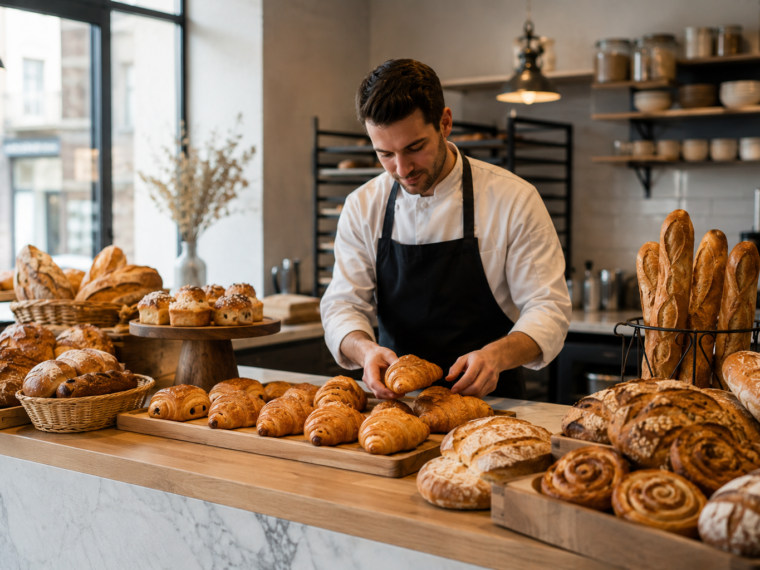
French bakeries have long inspired food lovers around the world with their elegance, precision, and deep respect for traditional baking. In the United States, interest in authentic French bread and pastries continues to grow as more people seek quality ingredients, handcrafted products, and a slower, more thoughtful food experience. From flaky croissants to rustic sourdough loaves, French baking techniques are influencing modern American bakeries in exciting ways.
One of the most recognizable aspects of French baking is its commitment to craftsmanship. French bakers often spend years perfecting techniques that focus on texture, fermentation, and balance. A baguette may look simple, but achieving the perfect crust and airy interior requires patience and skill. The same attention applies to viennoiseries like croissants and pain au chocolat, where layering butter into dough creates the delicate flakiness people associate with classic French pastry.
As French bakery culture expands into the U.S. market, many American bakers are adapting these traditions while adding local creativity. Bakeries across major cities and smaller towns now offer products inspired by Parisian boulangeries, but often with regional ingredients or modern flavors. Some combine French pastry techniques with seasonal fruits, local dairy, or American-style desserts. This blend of tradition and innovation has helped French-inspired bakeries connect with a wider audience.
Customers are also becoming more interested in the story behind what they eat. French baking naturally fits this shift because it emphasizes quality over speed. Long fermentation, carefully selected flour, and handmade preparation all contribute to products that feel more authentic and satisfying. In an era dominated by mass production, many people appreciate the care and expertise that go into artisan bread and pastries.
Coffee culture has also played a role in the rise of French bakery influence in the United States. Modern cafés increasingly combine specialty coffee with freshly baked viennoiseries and artisan bread. The atmosphere matters just as much as the food itself. Warm lighting, minimalist interiors, open kitchens, and carefully arranged pastry displays create an experience that feels inviting and memorable. For many customers, visiting a French-inspired bakery becomes part of a lifestyle rather than a simple purchase.
Another important factor is education. Social media, baking shows, and online tutorials have introduced home bakers to French techniques that once seemed intimidating. Laminated dough, brioche, pâte à choux, and sourdough fermentation are now more accessible than ever. As people experiment in their own kitchens, appreciation for professional French baking continues to grow. This curiosity helps create stronger demand for authentic bakery experiences in local communities.
At the same time, French know-how is evolving alongside modern consumer preferences. Many bakeries now focus on organic ingredients, natural fermentation, smaller production batches, and seasonal menus. While the foundation remains rooted in classic techniques, the presentation often feels contemporary and approachable. This balance between heritage and modernity is one reason French bakery culture translates so well to the American market.
Ultimately, bringing French know-how to the U.S. market is about more than recipes. It is about preserving craftsmanship, creating meaningful food experiences, and celebrating the beauty of simple ingredients prepared with care. Whether enjoyed in a neighborhood bakery or recreated at home, French-inspired baking continues to inspire a new generation of food lovers across the country.