
For many home bakers and food lovers in the United States, Bon Appétit became much more than a food magazine. Through its digital videos, test kitchen personalities, and approachable recipes, the brand helped redefine how people experience cooking content online. It brought professional baking techniques into everyday kitchens while making the process feel relaxed, creative, and genuinely enjoyable.
Part of Bon Appétit’s success comes from its ability to make food feel personal. The videos often combine expert knowledge with spontaneous moments, casual conversations, and realistic kitchen challenges. Instead of presenting cooking as something perfect or intimidating, the creators show experimentation, mistakes, and improvement along the way. For home bakers, that approach feels refreshing. It reminds viewers that baking is a skill developed over time, not something reserved for professionals.
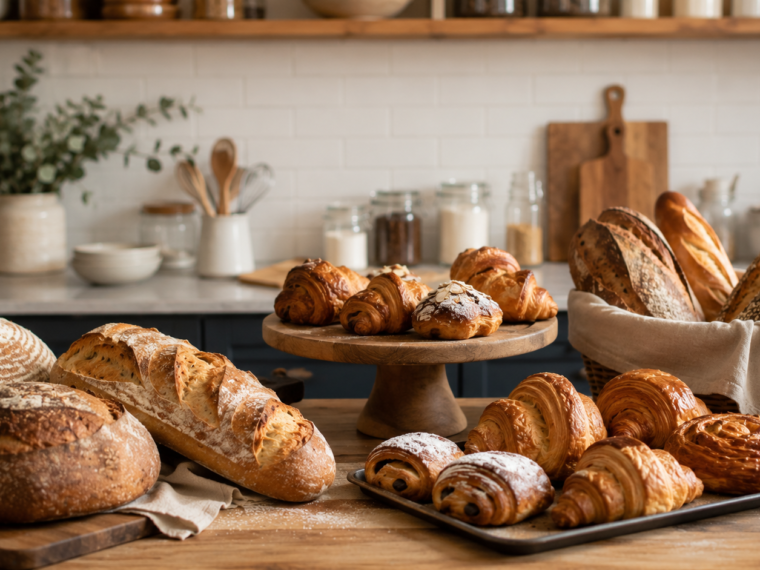
The visual identity of the brand also played a major role in its popularity. Warm lighting, modern kitchen spaces, and close-up shots of fresh pastries or rising dough create a comforting atmosphere that viewers instantly recognize. The style feels polished without becoming distant. That balance has influenced countless bakery creators and cafés across social media platforms, especially in the growing world of food-focused video content.
One of the most interesting aspects of Bon Appétit is how it helped bring baking culture into mainstream digital entertainment. Recipes for cookies, cakes, breads, and laminated pastries became part of broader conversations about creativity and lifestyle. During periods when home baking surged across the country, viewers turned to these videos not only for recipes but also for inspiration and comfort. Watching someone patiently shape dough or decorate a tart created a sense of calm that resonated with audiences far beyond experienced bakers.
Another reason the brand connected with so many viewers is its educational style. The content explains techniques clearly while keeping the tone conversational and accessible. Whether introducing sourdough basics or exploring advanced pastry methods, the videos encourage curiosity instead of perfectionism. That approach has helped many beginners feel confident enough to try recipes they once considered too difficult.
The influence of Bon Appétit can also be seen in the way modern bakeries present themselves online today. Independent bakeries increasingly use storytelling, behind-the-scenes preparation videos, and carefully styled photography to connect with customers. Consumers now expect more than just product photos. They want atmosphere, process, and authenticity. Bon Appétit helped normalize that style of food storytelling by making kitchens feel both aspirational and relatable.
At its core, the brand succeeds because it celebrates the joy of making food. The recipes are important, but the experience surrounding them matters just as much. Viewers are encouraged to slow down, experiment, and appreciate the process of baking itself. That message continues to resonate with people who see baking not only as a hobby but also as a creative outlet and a way to connect with others.
For bakery enthusiasts, Bon Appétit represents a modern shift in food culture. It proves that educational cooking content can still feel warm, stylish, and entertaining. More importantly, it inspires people to step into their kitchens with confidence and curiosity, one recipe at a time.