
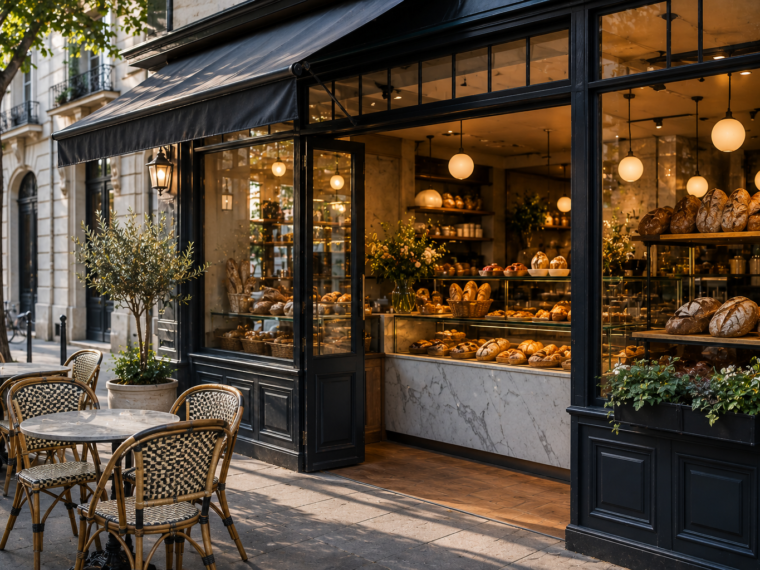
French bakery culture has quietly become part of everyday life across the United States. What once felt like a rare specialty is now deeply connected to modern coffee culture, weekend brunch traditions, and the growing appreciation for artisan food. From crisp baguettes to delicate fruit tarts, French-inspired baking continues to attract people looking for quality, comfort, and craftsmanship.
Today’s artisan French bakeries are not only about tradition. They blend classic techniques with contemporary American lifestyles, creating spaces that feel both elegant and welcoming. Whether in busy cities or quieter neighborhoods, these bakeries have become gathering places where people slow down and enjoy simple pleasures.
One of the reasons French bakeries resonate so strongly in the United States is their focus on process and detail. Handmade croissants, naturally fermented bread, buttery brioche, and carefully layered pastries all reflect patience and skill. Consumers are becoming more aware of texture, freshness, and ingredient quality, and artisan bakeries respond to that demand with products made in smaller batches and baked fresh daily.
At the same time, French baking in America has evolved beyond strict tradition. Many bakeries now combine French foundations with local ingredients and international influences. Seasonal fruit pastries, matcha-infused desserts, pistachio creams, and modern laminated pastries have become increasingly popular. This balance between heritage and creativity keeps the experience exciting while still preserving the soul of French baking.
The atmosphere of artisan bakeries also plays an important role. Customers are drawn to warm interiors, natural materials, open kitchens, and displays filled with fresh pastries and rustic loaves. These spaces often feel calm and inviting, encouraging people to stay longer, enjoy coffee slowly, or meet friends over breakfast. In many cities, bakery culture has become closely tied to lifestyle and community rather than simply convenience.
Another reason for the rise of artisan French bakeries is the growing appreciation for quality over quantity. Rather than oversized desserts or heavily processed pastries, many people now prefer carefully crafted baked goods with balanced flavors and elegant presentation. A perfectly flaky croissant or a simple tart made with seasonal fruit can feel more memorable than something overly complicated.
Social media has also helped fuel interest in artisan baking. Beautiful pastry layers, golden crusts, and minimalist bakery interiors naturally attract attention online. But beyond the visuals, people continue returning to French bakeries because of the emotional experience they create. Fresh bread in the morning, warm pastries on a rainy afternoon, or coffee shared with friends all contribute to a sense of comfort and ritual.
Home bakers have also embraced French techniques more than ever before. Sourdough starters, laminated dough projects, and rustic bread baking have become popular hobbies for people wanting to better understand traditional craftsmanship. Artisan bakeries often inspire these trends by showing how patience and simple ingredients can produce extraordinary results.
As French bakery culture continues to grow across the United States, it reflects a larger shift toward slower, more intentional food experiences. People are searching for authenticity, craftsmanship, and spaces that feel personal and human. Artisan French bakeries offer exactly that: a blend of tradition, creativity, and everyday pleasure that continues to inspire food lovers everywhere.