
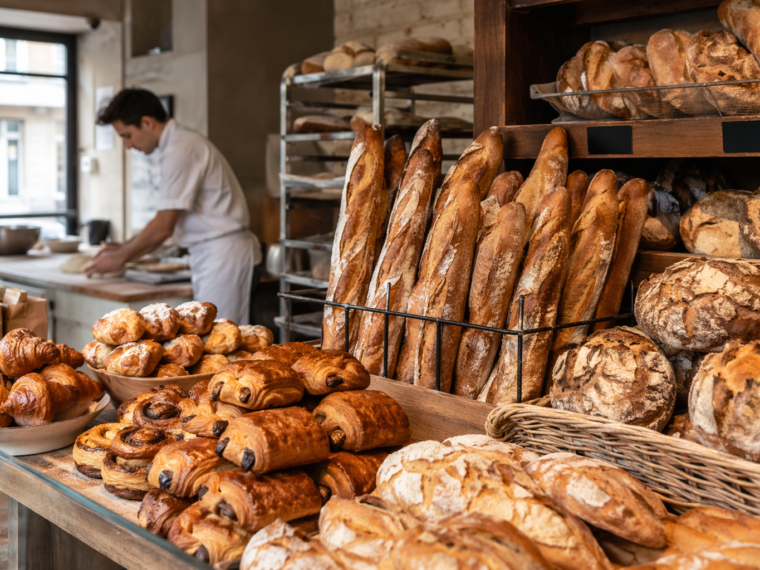
Step into a French bakery, and everything slows down. The scent of warm butter, the crisp crackle of fresh bread, and the quiet rhythm of daily life come together in a way that feels both simple and extraordinary. For many Americans, French bakeries represent the gold standard of baking—timeless, precise, and deeply rooted in tradition.
At the heart of every French bakery is craftsmanship. Known as boulangeries for bread and pâtisseries for pastries, these spaces are often small, neighborhood-focused shops where quality matters more than quantity. French bakers typically begin their day before sunrise, shaping dough by hand and baking in small batches. The result is bread with a golden crust and soft interior, made fresh daily and meant to be enjoyed the same day. There’s no excess, no shortcuts—just skill and patience.
Bread is the foundation of French bakery culture. The iconic baguette, with its crisp crust and airy crumb, is more than a staple—it’s a daily ritual. Many locals visit their bakery once or even twice a day to buy fresh bread. Beyond baguettes, you’ll find rustic loaves like pain de campagne and whole grain varieties, each with its own texture and flavor. These breads are designed to complement meals, not overpower them, reflecting the balance that defines French cuisine.
Then come the pastries, where French bakeries truly shine. Croissants, flaky and buttery, are perhaps the most famous. But there is so much more to discover: pain au chocolat, éclairs, tarte aux fruits, and delicate mille-feuille. Each pastry requires precision, from layering dough to controlling temperature and timing. The visual appeal is just as important as taste. Pastries are often displayed like works of art, inviting customers to choose with their eyes before they even take a bite.
What makes French bakeries especially inspiring is their connection to everyday life. They are not luxury destinations—they are part of the daily routine. People stop by on their way to work, pick up a pastry for the afternoon, or gather a dessert for a family meal. This accessibility creates a strong emotional bond between the baker and the community. It’s not just about food; it’s about consistency, trust, and shared habits.
For home bakers and food lovers in the United States, French bakeries offer more than inspiration—they offer a philosophy. Focus on fewer ingredients, respect the process, and prioritize quality over speed. Whether you’re baking your first loaf of bread or perfecting a croissant, the French approach encourages you to slow down and enjoy the craft.
In the end, French bakeries remind us that great baking is not complicated. It’s about tradition, care, and attention to detail. And sometimes, the simplest loaf of bread can be the most memorable experience of all.