
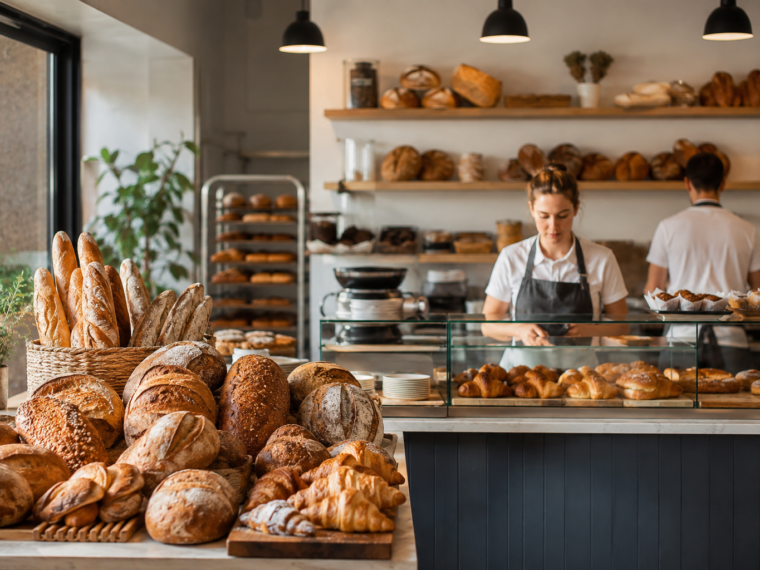
The American bakery industry is evolving faster than ever. From neighborhood bakeries to large artisan brands, businesses across the country are adapting to new customer habits, modern technology, and changing food preferences. Today’s consumers are not just looking for fresh bread or pastries — they want quality, transparency, creativity, and memorable experiences.
One of the biggest shifts in the U.S. bakery industry is the growing demand for artisan and small-batch products. Customers are increasingly drawn to handmade sourdough breads, laminated pastries, naturally fermented doughs, and locally inspired baked goods. Many bakeries are moving away from mass-produced products and focusing instead on craftsmanship. This trend reflects a broader interest in authenticity and slower food preparation methods. People want to know who made their bread, where ingredients come from, and how products are prepared.
At the same time, health-conscious baking continues to influence menus across the country. More bakeries now offer gluten-free options, reduced-sugar pastries, plant-based desserts, and breads made with alternative grains. Consumers are paying closer attention to ingredients and nutritional value, but they still expect products to taste indulgent and satisfying. The challenge for bakers is balancing wellness with flavor and texture. Fortunately, innovation in ingredients and baking techniques is making this easier than ever.
Technology is also transforming the bakery experience. Online ordering, delivery apps, subscription bread boxes, and social media marketing have become essential tools for modern bakeries. Platforms like Instagram and TikTok are helping small bakeries reach large audiences through visually appealing products and behind-the-scenes content. Customers enjoy seeing the process behind croissants, cakes, and fresh bread production. In many ways, bakeries are becoming lifestyle brands rather than simple retail shops.
Another important change is the rise of hybrid bakery concepts. Many bakeries now combine coffee service, brunch menus, retail products, or even community events into their business model. Customers are looking for spaces where they can spend time, work remotely, or meet friends while enjoying fresh baked goods. As a result, bakery interiors are becoming warmer, more design-focused, and experience-oriented. The atmosphere matters almost as much as the pastries themselves.
Sustainability is also playing a larger role in bakery operations. More businesses are reducing food waste, choosing eco-friendly packaging, sourcing locally when possible, and improving energy efficiency in production. Consumers increasingly appreciate brands that align with environmental values. Even simple actions, like reusable bread bags or seasonal ingredients, can strengthen customer loyalty.
Despite economic challenges and rising ingredient costs, the bakery industry remains incredibly resilient. Independent bakers continue to innovate, experiment, and connect with local communities in meaningful ways. What makes today’s bakery scene exciting is its balance between tradition and creativity. Classic recipes still matter, but modern customers also want new flavors, cultural influences, and unique experiences.
The future of the U.S. bakery industry looks dynamic and full of opportunity. Whether it is a small-town bakery specializing in sourdough or a modern pastry café creating viral desserts, bakeries continue to evolve alongside the people they serve. For bakery lovers, that means more variety, better quality, and more inspiring places to discover every year.