
Opening a French bakery in the United States is about more than selling croissants and baguettes. It’s about creating a space that feels warm, authentic, and full of everyday pleasure. Across the country, more people are discovering the beauty of French baking culture, from buttery pastries in the morning to artisan bread shared at dinner.
For passionate bakers and food entrepreneurs, this growing interest creates exciting opportunities. But building a successful French bakery requires a balance between tradition, creativity, and a deep understanding of local customers. The goal is not simply to recreate a Parisian bakery, but to adapt French baking culture to American lifestyles while preserving its charm and quality.
One of the first steps is defining the identity of the bakery. Some French bakeries focus heavily on artisan bread and classic viennoiseries, while others create a modern café atmosphere with brunch items, sandwiches, and specialty coffee. In the United States, customers often look for both authenticity and convenience. A welcoming space, clear menu, and visually appealing products can make a strong first impression.
Location also plays a major role. Neighborhoods with active morning foot traffic, coffee culture, and strong local communities tend to work especially well for bakery concepts. Many successful bakery owners spend time observing customer habits before opening. Understanding when people buy pastries, how they enjoy breakfast, and what products feel comforting or exciting can help shape the entire business.
Of course, product quality remains the heart of every French bakery. American customers increasingly appreciate slow fermentation, high-quality butter, handcrafted pastries, and fresh bread made daily. Croissants, pain au chocolat, brioche, tarts, and rustic sourdough loaves continue to attract loyal customers because they offer both simplicity and craftsmanship.
At the same time, flexibility is important. French bakeries in the United States often succeed by introducing seasonal flavors and adapting to local preferences. Some customers may want lighter desserts, plant-based options, or modern flavors inspired by global trends. Keeping a core French identity while allowing room for innovation helps bakeries stay fresh and relevant.
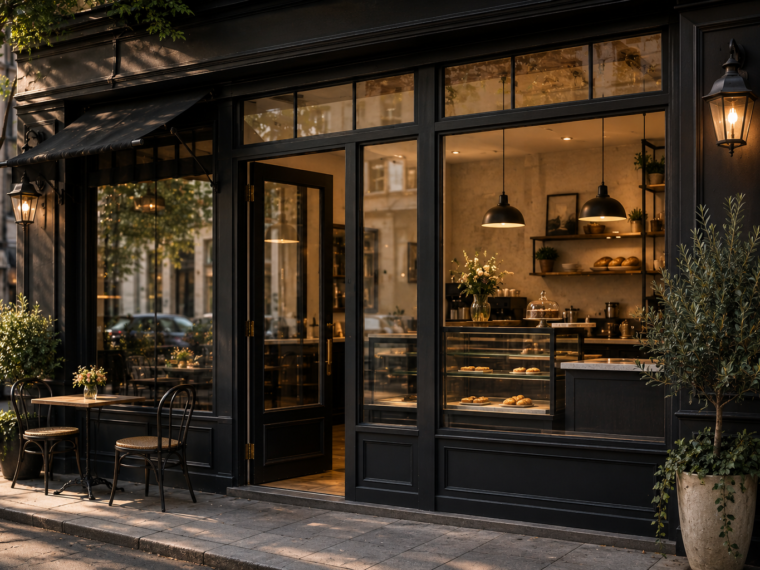
The visual experience matters just as much as the food itself. Modern customers are drawn to clean displays, warm interiors, natural materials, and open kitchen concepts that showcase the baking process. A French bakery should feel inviting from the moment someone walks in. Soft lighting, fresh bread aromas, and carefully presented pastries all contribute to the emotional experience people remember.
Building a loyal community also takes time. Many bakery owners grow their reputation through consistency and personal connection. Regular customers appreciate familiar faces, fresh products, and small daily rituals that become part of their routine. Social media can help introduce the bakery to new audiences, but long-term success usually comes from trust, quality, and atmosphere.
Opening a French bakery in the United States is both challenging and deeply rewarding. It combines craftsmanship, hospitality, and creativity in a way few businesses can. For anyone passionate about baking and food culture, it offers the chance to create a meaningful place where people gather, slow down, and enjoy simple pleasures every day.