
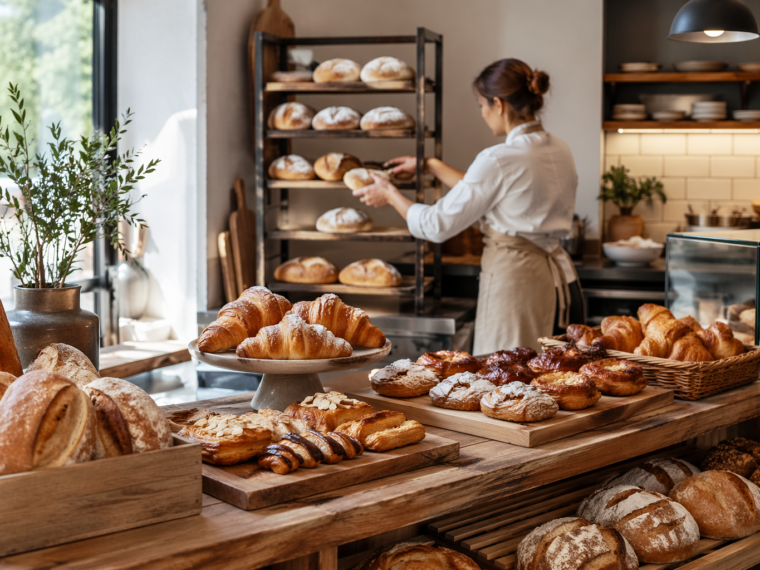
Bakery culture holds a unique place in people’s hearts across the globe. From small neighborhood bakeries to iconic pastry shops in major cities, these spaces represent more than just food. They embody tradition, creativity, and a sense of comfort that transcends borders.
One of the main reasons bakery culture fascinates people is its deep connection to heritage. Every country has its own signature baked goods, shaped by local ingredients, history, and customs. In France, the crisp baguette and buttery croissant are daily essentials. In the United States, cookies, pies, and artisan breads reflect a mix of cultural influences. In Japan, bakeries blend European techniques with local flavors, creating something entirely unique. These traditions tell stories, and people are naturally drawn to them.
Beyond tradition, bakeries are places of creativity. Baking is both a science and an art. It requires precision, but it also leaves room for imagination. Bakers experiment with flavors, textures, and presentation, constantly reinventing classic recipes. This balance between structure and creativity makes baking fascinating not only to professionals but also to home bakers who enjoy trying new ideas in their own kitchens.
Another reason for the global appeal of bakery culture is the emotional connection it creates. The smell of freshly baked bread or warm pastries has a powerful effect. It reminds people of childhood, family gatherings, or simple moments of joy. Walking into a bakery often feels comforting and familiar, even in a foreign country. It’s a universal experience that brings people together without the need for words.
Bakeries also play an important social role. They are gathering places where people meet, talk, and slow down. In a fast-paced world, stepping into a bakery offers a moment of pause. Whether it’s a quick coffee with a pastry or a long conversation with friends, these moments contribute to the charm of bakery culture. In many communities, the local bakery is a cornerstone of daily life.
The rise of social media has further amplified this fascination. Beautifully crafted cakes, perfectly laminated croissants, and creative desserts are shared widely online. Visual appeal has become an essential part of bakery culture. People are inspired by what they see and often seek out new places to experience these creations in person. This digital exposure has helped small bakeries gain recognition far beyond their local neighborhoods.
Finally, bakery culture resonates because it is accessible. Unlike fine dining, baking feels approachable. Anyone can try it at home, learn from mistakes, and improve over time. This sense of participation strengthens the connection people feel toward baked goods and the culture surrounding them.
In the end, bakery culture fascinates people worldwide because it combines tradition, creativity, emotion, and community. It’s not just about what we eat, but how it makes us feel and the stories it carries. Whether you are enjoying a simple loaf of bread or an elaborate dessert, you are part of a global culture that continues to evolve while staying deeply rooted in human experience.